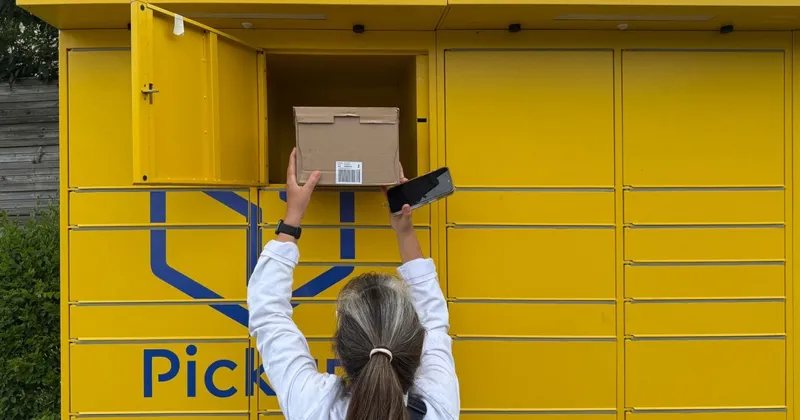
A cash on delivery (COD) parcel is one the recipient pays for only when collecting it: in cash or by card to the courier, or by card at a parcel locker if the locker supports it. The buyer does not have to pay upfront - the money changes hands only once the parcel is in their hands. This model is especially common in e-commerce, particularly where buyers do not yet trust the seller.
On this page
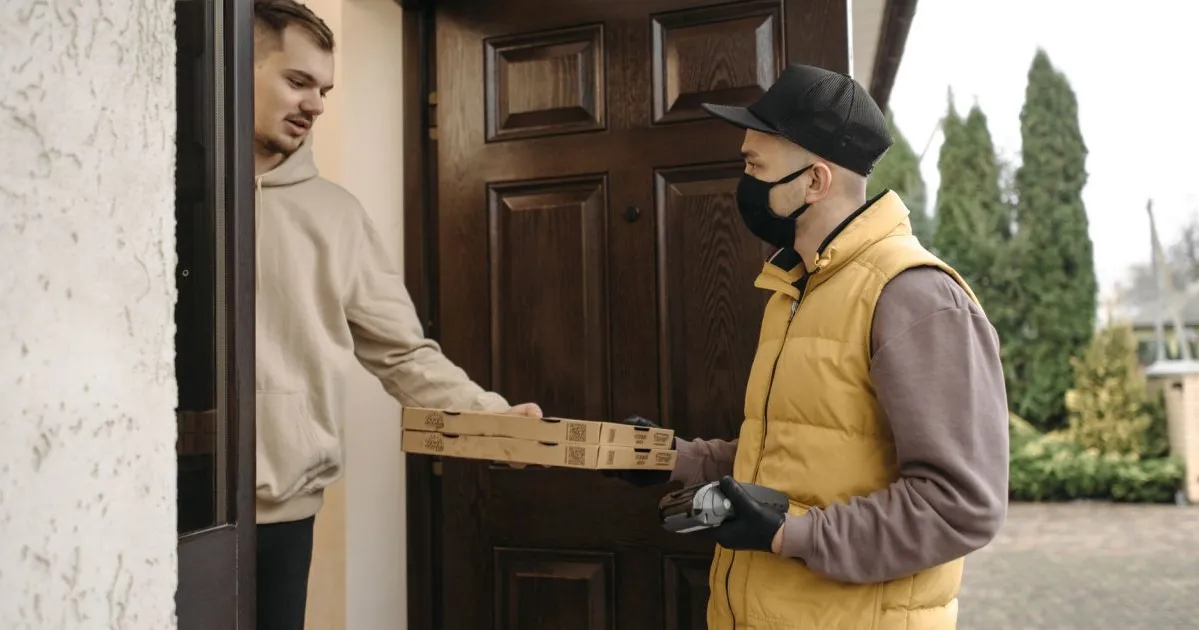
Paying on collection is simple: the recipient picks a delivery method - courier or parcel locker - and chooses cash on delivery. When the courier delivers the parcel, they collect the money in cash or by card (if they carry a terminal). At a parcel locker, if the locker has this feature, the recipient pays by card. The courier then transfers the collected amount to the sender within the agreed time. This service usually carries an extra fee - often a percentage of the parcel value or a fixed charge. Check each carrier's price list for exact rates.
Why choose cash on delivery
On classifieds sites and social media, many buyers want to see the item first and pay second. Paying on collection lowers the buyer's risk: if the item does not match the description or never arrives, they do not lose their money. Picture someone buying a bicycle from a stranger - being able to pay only once the bike is in their hands is a strong argument. That is why this payment method often helps lift conversion, especially among less experienced online shoppers.
Not everyone can pay by card online, and some people simply do not want to share their bank details. This matters for older shoppers and for anyone who values financial security.
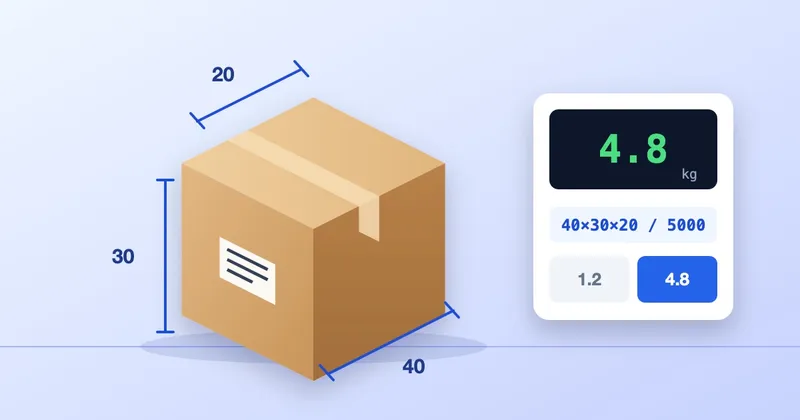
Sometimes the easiest step is to compare shipping prices and choose the cheapest option. A shipping price comparison shows what regular delivery costs and helps you decide whether the extra COD fee is justified. A seller who ships regularly, for example, may notice that extra fees eat a big part of the margin, especially on small parcels.
What fees apply to cash on delivery
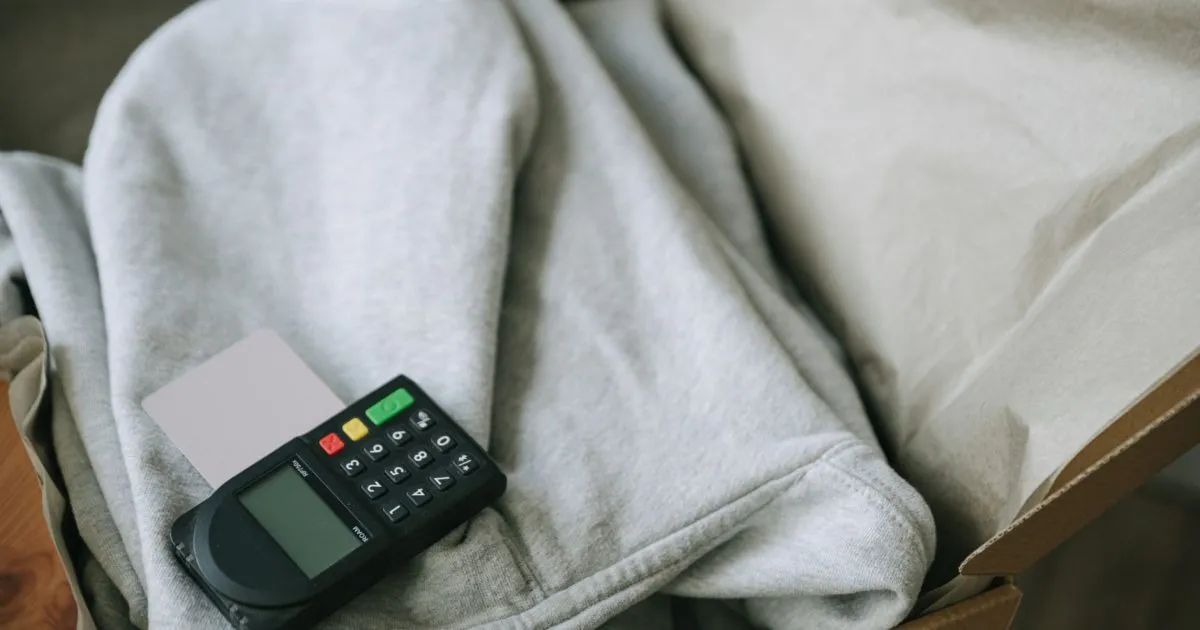
Cash on delivery almost always comes with an extra fee. It can be fixed or a percentage. Some carriers charge a flat amount, others take a percentage of the parcel value or price it by delivery method. Venipak shipping prices, for example, may differ from other carriers, so it is worth checking each one. Always read the specific provider's terms before you book.
If the recipient refuses the parcel, the sender pays twice: for delivery and for the return. So use cash on delivery responsibly and make sure the buyer is really waiting for the parcel. That is why some sellers ask buyers to confirm the order by phone or email first.
Check the delivery price before the COD fee
Compare courier prices for your parcel side by side, then add the cash on delivery fee on top. No contracts.
How cash on delivery works in practice
In Lithuania, most major couriers offer COD: LP Express, Omniva, DPD and Venipak. Each has its own terms and fees. The DPD courier, for example, lets the recipient pay in cash or by card on delivery, but charges an extra fee for it. At parcel lockers, card payment is only possible at machines that have the right hardware. Before choosing, check whether your locker supports payment on collection.
A practical tip: if you want to offer buyers cash on delivery, first find out what fees your carrier charges. Then weigh whether it pays off compared with regular shipping. Often the simplest approach is regular shipping with the buyer choosing a payment method they like - a bank transfer or a card payment upfront.
When cash on delivery is the best choice

Cash on delivery works best when you sell used items through classifieds, when the buyer is new and unknown to you, or when you ship pricier items the buyer wants to check before paying. In those cases paying on collection reduces mistrust on both sides. Yes, it costs extra, but it can be worth it for the buyer confidence it brings.
If you run an online store with regular customers, COD can become a burden because of the extra fees and possible returns. In that case it is better to offer regular shipping with prepayment and keep COD only for customers who really ask for it.
How to prepare as a sender when a customer chooses COD
Before shipping goods cash on delivery, make sure you have a clear process for returns and failed deliveries. Concretely: write down what happens if the buyer does not collect the parcel in time, and how much it will cost. One practical step is to tell the buyer in advance about any extra fees they will pay on collection. When people know upfront how much extra COD costs, they are less likely to refuse the parcel at the door. It is also worth checking whether your carrier can deliver to a parcel locker with card payment, as that can be more convenient for both you and the buyer.
Paperwork matters too. When a courier collects cash, you should receive a matching report or receipt. Find out how your carrier provides this information and whether it meets your accounting requirements. If you sell small items, consider accepting only card payment on collection to avoid handling cash.
- With cash on delivery, the buyer pays on collection, which builds trust with new or unknown buyers.
- It almost always carries an extra fee, and a refused parcel means you pay for both delivery and return.
- Before offering COD, check your carrier's fees and confirm the order with the buyer by phone or email.
Frequently asked questions
Most carriers charge an extra fee - either fixed or a percentage. Always check the specific carrier's price list.
Yes, but only if the locker has card payment. Not every locker supports it, so make sure the chosen locker accepts payments before you book.
Then the sender has to cover the return costs. That is why it is a good idea to confirm the order with the buyer before shipping - call them or send an email.