Shipping is often the second biggest cost in an online store after the products themselves. These five steps work for a shop sending 20 parcels a month or 2,000.
On this page
1. Compare carriers per route
No courier is cheapest everywhere. One wins in Poland, another to Germany, a third to the UK. Compare per destination and weight, not once a year.
2. Fix your packaging
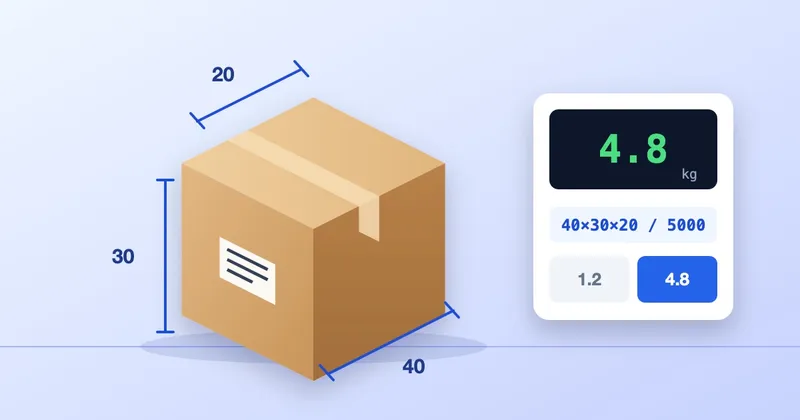
Smaller boxes lower volumetric weight. Switching soft goods to mailers alone can drop a price band.
3. Use one contract and one invoice
Separate courier contracts mean separate minimums, invoices and admin. One platform with many couriers gives you their rates without signing each one.
4. Schedule fixed pickups
Ad-hoc pickups can cost extra and come at random times. A fixed daily or weekly pickup is cheaper and gives you a later cut-off.
5. Push parcel lockers
Show the locker option first at checkout. It is cheaper for you and most buyers are happy to use it.
Find the cheapest courier for your route
Live rates from leading couriers. No contracts.
- No single courier wins every route, so compare carriers per destination and weight, not once a year.
- Smaller boxes, one platform with one invoice, fixed pickups and locker-first checkout all lower costs.
- Start by checking your packaging: moving soft goods to mailers can drop a price band.
Mantas runs carrier partnerships and SendVersal's own-line network to the UK and Germany. He writes about lanes, customs and what drives parcel prices.
All 5 articles by Mantas