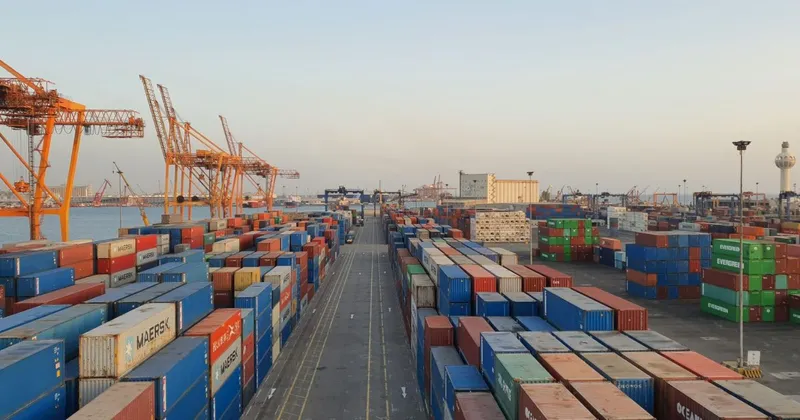
An EORI number (Economic Operators Registration and Identification) is a unique EU-wide number that a member state's customs authority assigns to economic operators. You need it when goods are exported to or imported from non-EU countries - without it, the customs declaration will not be accepted. In Lithuania you can get an EORI number from a territorial customs office, and the application form is published on the Customs Department website.
On this page
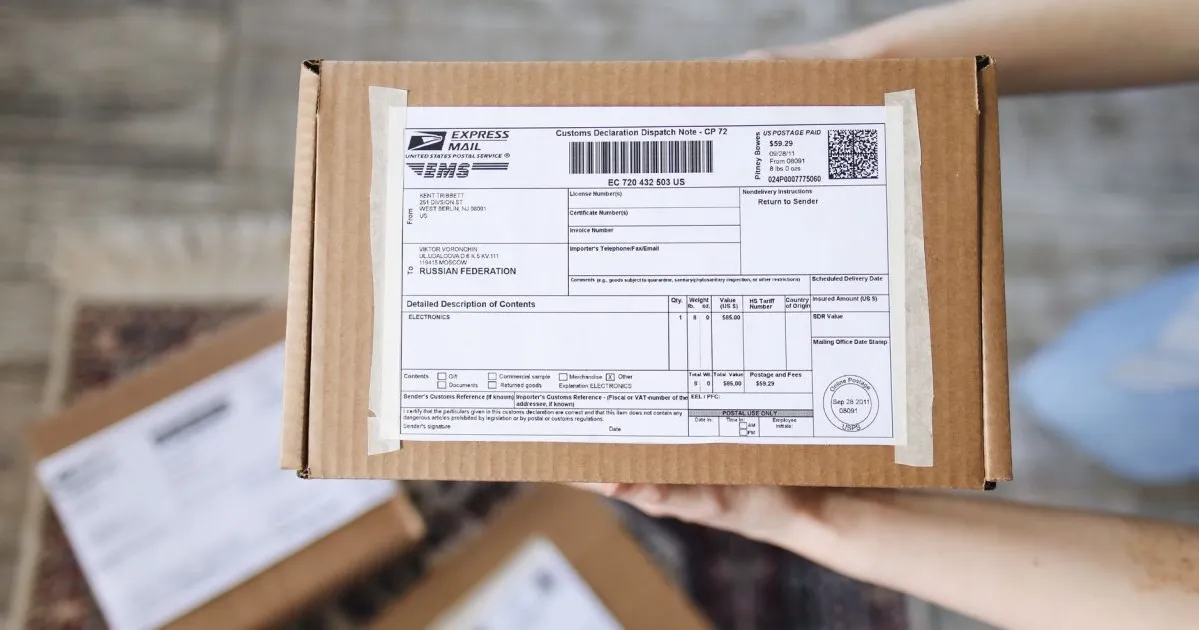
Shipping goods to the United Kingdom, Norway, the USA or Switzerland? Or importing from there? Then customs procedures are unavoidable. Shipping to the United Kingdom, for example, has required a customs declaration with an EORI number since Brexit. The same goes for other non-EU destinations.
Who needs an EORI number?
Every economic operator involved in trade with non-EU countries needs an EORI number. That can be a company or a private person sending business shipments. Private individuals buying goods for themselves usually do not need one. Customs uses the number to identify the operator and track their activity.
Without an EORI number you cannot file an export or import declaration. The parcel may be held at customs until the number is provided. So it is worth sorting out in advance, especially if you plan to ship abroad regularly - for example parcels to Norway, which is not an EU member but is a close trading partner. And if you are about to send your first shipment next week without a number, you may have to adjust your plans.
How to get an EORI number in Lithuania

In Lithuania, EORI applications go to the territorial customs offices in Vilnius, Kaunas and Klaipėda. There is no online service yet, so you can send the application and documents by email or hand them in at the customs office. The application form is published on the Customs Department website at muitine.lrv.lt. Once the form is processed, the details are entered into the Customs Client Register and the operator receives an EORI number.
An EORI issued in one EU country is valid across the EU, so there is no need to register elsewhere. That is a big convenience for businesses trading with several EU states. However, if you ship under DDP (Delivered Duty Paid) terms, the seller acts as the importer in the destination country and may need a separate identifier there. For shipments to the USA, for example, US customs may require its own identification number, which is different from the EU EORI.
When you will actually need the EORI number
You will need the EORI number every time you file a customs declaration. That covers exports to third countries, imports from them and transit through EU territory. Ordering goods from China for your business? You will need to give your EORI number when importing them. You also need it to use customs procedure simplifications.
Not sure whether you need an EORI number? Ask customs or your carrier. Courier companies often ask for an EORI number before shipping outside the EU. Get the number in advance rather than waiting for your first shipment. If you had to rush a commercial parcel to Norway tomorrow without an EORI, the process could take longer than planned.
How to prepare your EORI application

Before applying, gather the documents you need. Usually that is the completed application form from the Customs Department website and the company registration documents (if a company applies). Private persons may need a copy of an ID document. Call your chosen territorial customs office beforehand to confirm which documents are needed, as the list can vary by type of activity.
Once the form is filled in, send it with the documents by email or deliver it to the customs office. Customs checks the details and, if everything is in order, assigns the EORI number. There is no official processing deadline, so apply early, especially if you plan to ship soon. Once you have the number, use it on every customs declaration.
Ship non-EU orders without retyping customs data
Connect your store and SendVersal fills the customs data from your order automatically. No contracts.
EORI benefits and common mistakes
With an EORI number you can not only file declarations but also apply for simplified customs procedures, such as centralised clearance. That can speed up processing and reduce admin, especially if you ship often. And using one number consistently lowers the risk of mistakes on documents.
Mistakes still happen. One of the most common is a wrong EORI number on the declaration, which can get the parcel stuck. Another is not checking before shipping whether the company details in the register are still current. Keep your information in the Customs Client Register up to date and always use the number you were assigned. If a company changes its name or address, for example, the register keeps the old details, so update them straight away.
Shipping goods to non-EU countries such as Switzerland? You will need an EORI number there too. Switzerland is not an EU member, but trade with it is intense, so get the number sorted early. Check the conditions and documents for shipping to Switzerland with your courier before your first parcel.
An EORI number also helps when you ship abroad through several carriers, as they all ask for the same number on customs documents. It makes working with customs brokers easier too: they can prepare documents faster because all the details are already in the system. Unsure whether you need one? Remember a simple rule: almost any commercial shipment crossing the EU border requires an EORI. Better to have it and not use it than to scramble for it when you need it.
- An EORI number is needed for almost any commercial shipment crossing the EU border, and is valid across the EU.
- In Lithuania you apply to the Vilnius, Kaunas or Klaipėda customs office by email or in person; there is no official processing deadline.
- Apply before your first non-EU shipment and keep your details in the Customs Client Register up to date.
Frequently asked questions
Yes, an EORI number issued in one EU country is valid in all EU member states. There is no need to register in other countries.
Private individuals sending personal belongings or gifts usually do not need an EORI number. But if you ship items for commercial purposes, you will most likely need one. Always check with customs or your carrier.
There is no official deadline, so the exact time cannot be predicted, and it can take longer if the application is missing details or documents. Apply early to avoid delays when shipping goods.
Mantas runs carrier partnerships and SendVersal's own-line network to the UK and Germany. He writes about lanes, customs and what drives parcel prices.
All 5 articles by Mantas